· A Toca · 7 min read
Portuguese Cheese and Wine: The Definitive Guide to Perfect Pairing
The art of pairing cheese and wine is one of the most sublime experiences in Portuguese gastronomy. A complete guide, from the classic combinations to the most surprising ones.
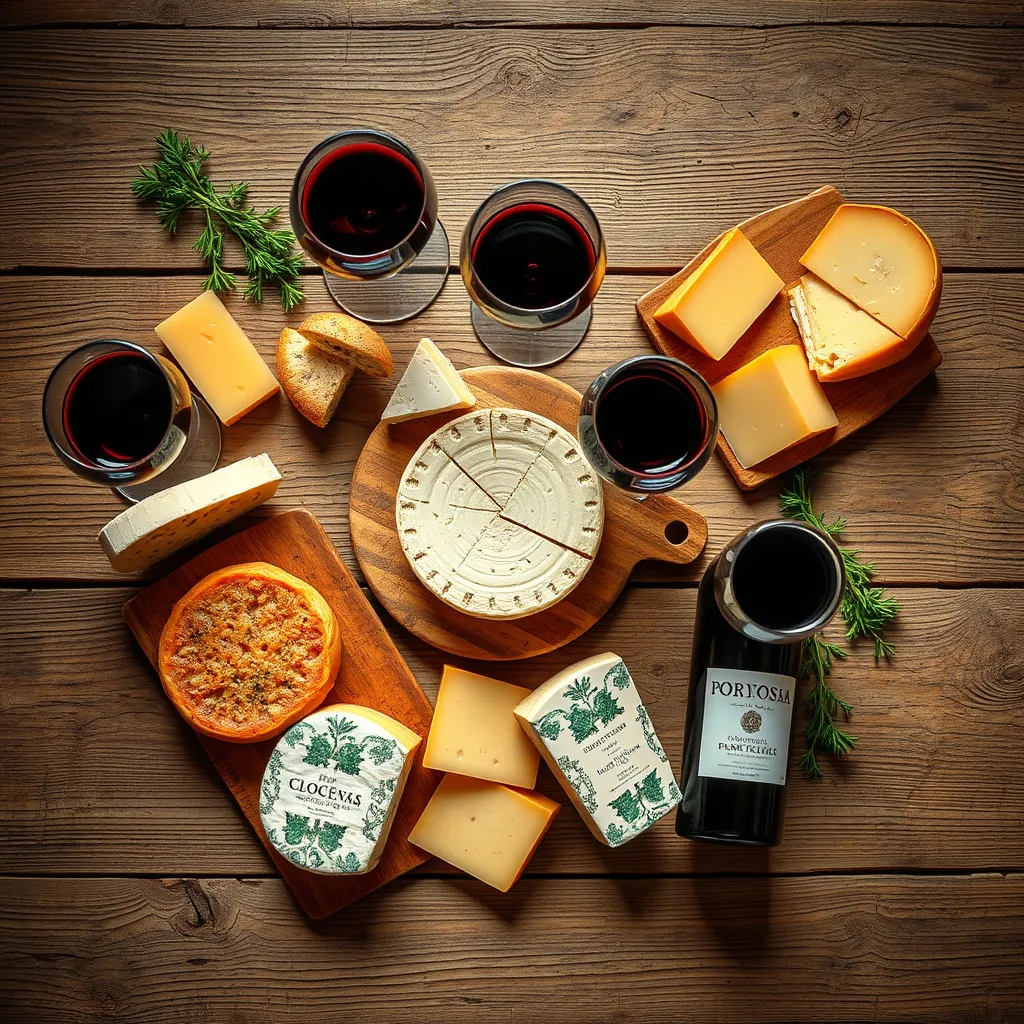
The art of pairing cheese and wine is one of the most sublime experiences in Portuguese gastronomy. In a country with more than 2,000 years of winemaking tradition and a diversity of cheeses that rivals the finest regions in the world, knowing how to bring these two national treasures together is more than a skill – it is a celebration of our identity. Whether you want to impress guests, elevate a special dinner, or simply enjoy a moment of personal pleasure, mastering this art completely transforms the way we appreciate our produce. In this article, we explore the classic combinations and the most surprising discoveries, guiding you through the textures, aromas and flavours that make our country a paradise for the senses.
The Fundamental Principles of Pairing
Before diving into specific combinations, it is essential to understand a few basic principles. Pairing is not an exact science, but rather a delicate balance between intensities, textures and flavours. The main goal is to create an experience in which neither element overpowers the other, but where both complement each other. The three pillars of this art are intensity, weight and flavour. A mild, creamy cheese calls for a delicate wine, while a cured, powerful cheese demands a wine with personality and structure. The golden rule? When in doubt, choose wines from the same region as the cheese – a bet that rarely fails, since local traditions developed in harmony with one another over the centuries.
Another crucial aspect is the tasting order. Always start with the mildest, freshest cheeses and work towards the more intense, cured ones. This progression allows the palate to adapt gradually, preventing strong flavours from masking the more delicate ones. It is also important to consider the fat content of the cheese – fattier cheeses need wines with higher acidity to cleanse the palate, while leaner cheeses can be overwhelmed by wines that are too full-bodied.
From the Coast to the Interior: A Journey Through the Classic Pairings
Azeitão Cheese and White Wine from Palmela
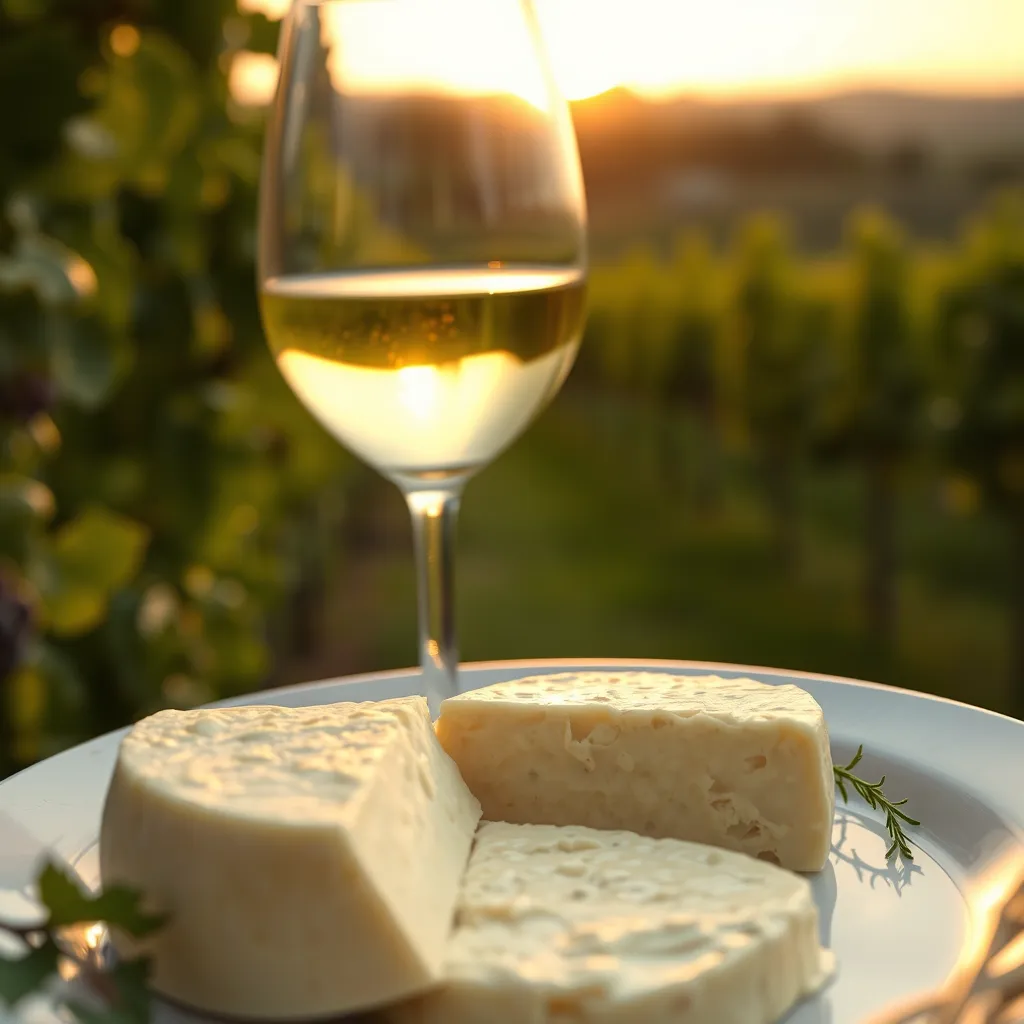
We begin our journey on the coast, with one of the country’s most iconic cheeses. Queijo de Azeitão, with its orange-yellow rind and creamy interior, is made from sheep’s milk from the Setúbal region. Its slightly acidic flavour and herbaceous notes call for worthy company – and the white wine of Palmela, made from the Moscatel grape, is the ideal partner. The natural sweetness of the wine balances the acidity of the cheese, while its floral aromas complement the cheese’s herbal nuances. Serve this duo as a starter or alongside tomato jam, creating a truly memorable sweet-and-savoury contrast.
Serra da Estrela and Dão Wine
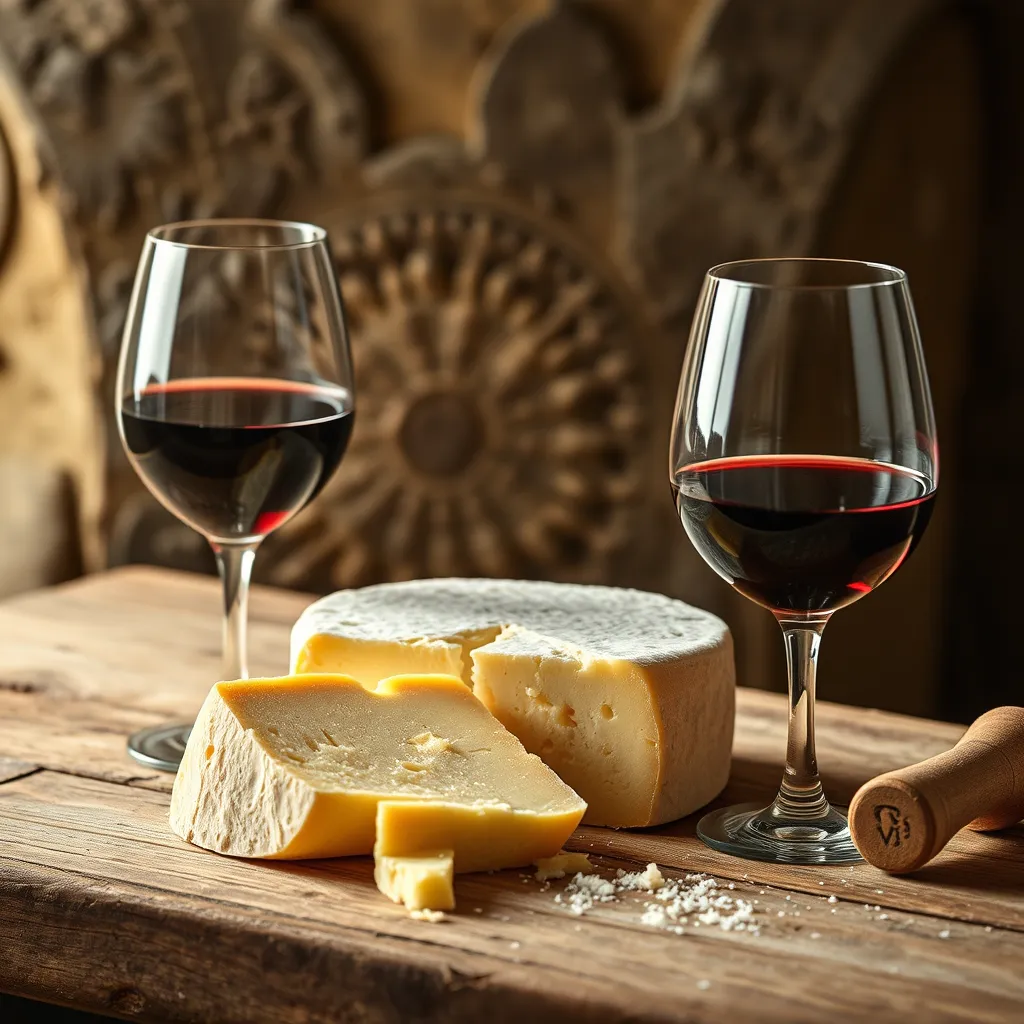
Travelling inland, we find the legendary Queijo da Serra, made from the milk of Serra da Estrela sheep. This cheese, whether in its younger, buttery version or cured, has a unique complexity that deserves a wine to match. The options are many, but Dão wines stand out for their elegance and structure. An aged Dão red, made from grapes such as Touriga Nacional or Alfrocheiro, develops notes of dried fruit and spice that converse perfectly with the richness of the cheese. The balanced acidity of the wine cuts through the fat, while its soft tannins complement the creamy texture. It is a combination that confirms the old proverb: what is born together belongs together.
São Jorge Cheese and Azores Wine
For a more adventurous approach, how about exploring the island of São Jorge? This cow’s milk cheese, with its sharp flavour and firm texture, is truly unique. Produced in the Azores, Queijo de São Jorge has an intensity that can surprise less experienced palates. To accompany it, we recommend wines produced on those same islands, such as Azores wine, which offer a saline minerality that cuts through the richness of the cheese. The combination is particularly interesting because both reflect the volcanic terroir and the influence of the Atlantic – the result is a pairing that evokes sea and land in a single experience.
Daring to Discover: Surprising Pairings
Traditional combinations are not always the best – sometimes stepping outside your comfort zone reveals real treasures. Blue cheeses, such as our unique Queijo de Penamacor, call for sweet Port wines to create a delicious contrast between salty and sweet. A Vintage or Tawny Port, with its flavours of dried fruit and chocolate, tames the intense character of the cheese and highlights its spicy nuances. This combination is perfect for ending a meal, served with walnuts and dried figs.
At the other end of the spectrum, fresh, mild cheeses such as Requeijão or Queijada de Pereira go surprisingly well with vinho verde – especially those made from the Loureiro grape. The natural effervescence and characteristic acidity of these wines cleanse the palate between portions of cheese, while their citrus aromas complement the cheese’s lactic freshness. It is a light pairing, perfect for hot summer days, served as a snack or an informal meal.
For the bolder among you, we suggest trying our traditional Queijo de Évora with an Alentejo red – but not just any red: choose a talha wine, produced using ancestral methods. These wines, fermented in clay amphorae, have firm tannins and earthy flavours that pair perfectly with the salty, spiced intensity of the cheese. It is a combination that tells the story of two millennia of Portuguese tradition in a single mouthful – a truly unforgettable experience for anyone looking for something beyond the conventional.
Nor should we forget pairings with sparkling wines. A good Portuguese sparkling wine, such as those produced in Bairrada, elevates any cheese. Its lively acidity and fine bubbles cleanse the palate, preparing it for the next flavour. Lightly cured goat’s cheeses, with their acidic notes and firm texture, are especially good in this combination. Serve with pear or fig jam, and the result is a memorable gastronomic experience that will impress your guests.
Practical Tips for a Perfect Experience
To make sure your pairing is a success, a few details make all the difference. First, take the cheeses out of the fridge at least an hour before serving – their flavours and aromas are only fully released at room temperature. As for the wine, bear in mind that temperature is equally crucial: whites and sparkling wines should be served between 8 and 10 degrees, while young reds are ideal at 14 degrees and older ones at 16 or 17. Presentation also plays its part – arrange the cheeses in increasing order of intensity, and consider serving neutral accompaniments, such as rye bread or water crackers, so they do not interfere with the main flavours.
Try holding themed tastings, where all the cheeses and wines come from the same region, or opt for contrast pairings, where flavours complement each other through opposition. Offer water between tastings to cleanse the palate, along with fresh fruit such as apple or pear, which make excellent natural neutralisers. Remember that pairing is, above all, a personal experience – there are no absolute rules, and your palate is the best guide. What works for some may not work for others, so do not be afraid to experiment and discover your own favourite combinations.
A Complete Experience Awaits You
Pairing Portuguese cheeses and wines is an art that deserves to be explored calmly and with pleasure. Every bottle, every cheese, represents a piece of our history and our terroir. The combinations presented in this article are only the beginning of a fascinating journey through the best that Portugal has to offer. Whether you want to buy the products for an experience at home, or would like our team to prepare a personalised tasting session for you, for a group of friends or for a special event, we are here to help. Call and book your pairing experience – let us guide you through the unique flavours of our country and discover why our gastronomy is recognised worldwide. Your next great gastronomic discovery is just a phone call away.

A Toca
O melhor restaurante de Cacilhas, Almada. Pratos tradicionais de peixe, marisco e carne com o melhor da cozinha portuguesa, marisqueira e vinhos da casa.